

Key Takeaways
- Hair colour corrections often involve uneven tones, brassiness, overly dark dye, or patchy bleaching.
- Corrective colouring requires different techniques depending on the hair’s condition and colouring history.
- Repeated DIY fixes may worsen staining, dryness, or uneven pigment distribution.
- The best hair colouring salon may conduct strand testing before major correction work.
- Many clients visit a hair salon in Orchard for corrective treatments after unsuccessful home-colouring attempts.
Introduction
Hair colour corrections are usually more complicated than standard colouring services. Problems such as uneven tones, strong brassiness, or patchy bleaching often require controlled chemical processing and detailed colour assessment. Stylists must evaluate existing pigments, previous dye history, and overall hair condition before deciding on a correction method. Corrective work, in many cases, may take more than one session to avoid excessive damage.
Below are four hair colour corrections commonly handled in professional salon environments, including hair salons in Orchard.
1. Fixing Uneven Hair Colour
Uneven hair colour is one of the most common correction requests. This problem often appears after inconsistent dye application, overlapping colour sessions, or uneven bleaching. Certain sections may appear lighter, darker, or warmer than others under natural lighting.
Correcting uneven colour usually involves balancing the tone across the hair. Stylists may selectively reapply dye, adjust toner levels, or lighten darker areas before recolouring. The process depends heavily on how much previous colour buildup exists and whether the hair has already been chemically treated multiple times.
The best hair colouring salon may also perform strand testing before beginning corrective work. This approach allows stylists to observe how the hair reacts to additional colouring products, especially if the client previously used box dyes or bleach at home. Remember, without proper assessment, further processing may worsen patchiness or weaken the hair structure.
2. Removing Excessive Brassiness
Brassiness occurs when unwanted yellow, orange, or copper tones appear after bleaching or colour fading. This situation is common in lighter hair shades, especially when toners fade unevenly over time. Mineral exposure, oxidation, and repeated washing can also contribute to brassy tones becoming more visible.
Correcting brassiness requires proper colour neutralisation. Purple-based products are commonly used for yellow tones, while blue-based products help reduce orange tones. However, excessive toning may leave the hair looking dull or uneven if the wrong formula is used.
Professional stylists also consider porosity levels before applying corrective toners. Hair that absorbs colour unevenly may produce inconsistent results during correction. Many people, therefore, seek help from a hair salon after unsuccessful attempts to fix brassiness using over-the-counter purple shampoos or repeated home toning treatments.
3. Correcting Overly Dark Hair Dye
Hair that becomes too dark after colouring can be difficult to reverse quickly. This situation often happens when darker permanent dyes are repeatedly layered over previous colour applications. Over time, pigments accumulate inside the hair shaft, making future colour changes more complicated.
Corrective work for overly dark hair may involve gradual pigment removal, controlled lightening sessions, or colour-removing products. Aggressive bleaching is usually avoided because heavily processed hair may become dry or brittle during rapid lifting.
Stylists often recommend a gradual correction approach rather than forcing dramatic lightening in one appointment. Maintaining the hair’s condition, in some cases, becomes more important than immediately achieving the target shade. Proper correction, therefore, focuses on both colour balance and structural stability.
4. Repairing Patchy Bleaching Results
Patchy bleaching commonly develops when bleach is applied unevenly or processed inconsistently. Some sections may lift to pale blonde while others remain orange or dark brown. This issue is especially common during home bleaching attempts without proper sectioning or timing control.
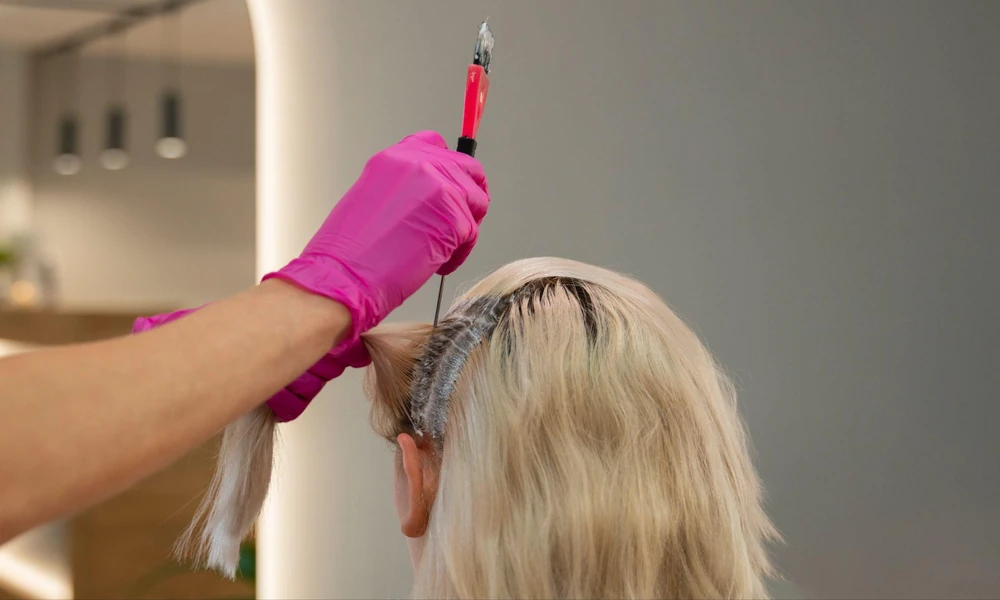
Correcting patchy bleaching usually requires precise section work and controlled re-lightening. Stylists from the best hair colouring salons in Singapore may isolate darker areas while protecting lighter sections from overprocessing. This approach reduces the risk of excessive breakage or uneven texture after correction.
Salons, in some situations, may recommend darker blending tones temporarily instead of pursuing a very light colour immediately. This approach allows the hair condition to recover before additional bleaching sessions are attempted later.
Conclusion
Hair colour correction involves more than applying another layer of dye over an existing problem. Uneven colour, brassiness, overly dark pigments, and patchy bleaching all require different corrective techniques depending on the hair’s history and condition. Professional correction work focuses on controlled processing, colour balancing, and minimising further damage throughout the treatment process.
Contact Stile Hair Studio and consult a salon team that handles corrective colouring regularly instead of attempting another quick DIY solution.