

Supporting Urban Mobility: How Smart Parking Systems Simplify Traffic Management Processes

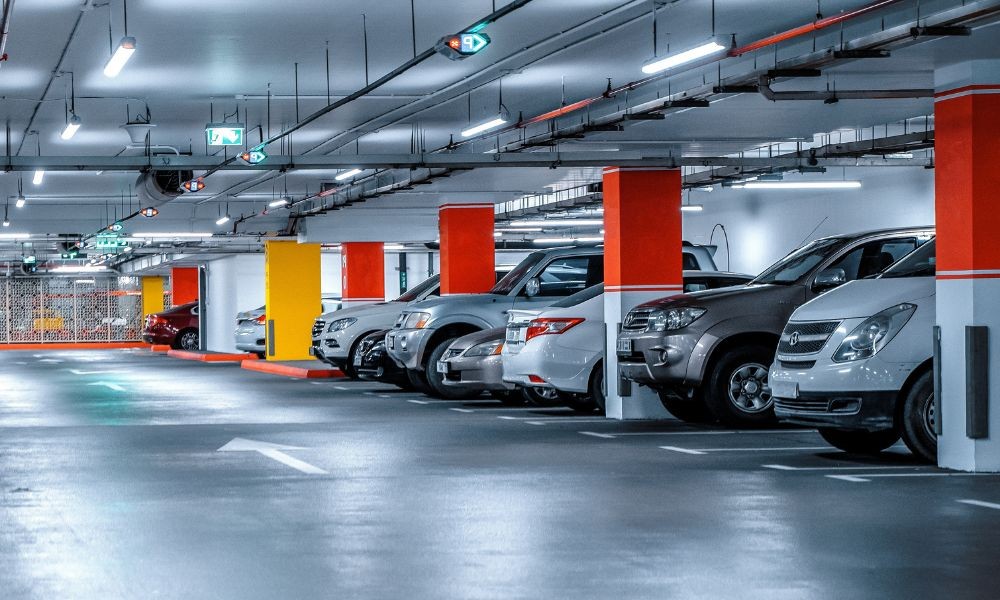
Rapid urban expansion continues challenging transportation coordination across growing commercial districts. Congested intersections frequently delay commuters, freight movement, and emergency response operations. Municipalities increasingly collaborate with parking management companies improving organized vehicle distribution. Smarter parking coordination now supports broader mobility planning throughout crowded metropolitan environments.
How Real Time Monitoring Reduces Congestion
Modern sensors immediately identify occupied spaces across crowded parking facilities. Meanwhile, connected dashboards transmit availability updates toward approaching motorists instantly. Drivers therefore avoid unnecessary circulation around overloaded commercial streets.
Coordinated guidance also minimizes bottlenecks surrounding entertainment venues during peak schedules.
- Faster vehicle entry during crowded business hours
- Reduced circulation surrounding dense commercial corridors
- Immediate occupancy tracking across connected parking facilities
- Better movement coordination near transportation terminals
Additionally, automated monitoring improves roadway visibility for municipal transportation departments. Traffic supervisors consequently respond quicker during disruptions affecting surrounding neighborhoods.
Can Automated Guidance Improve Driver Decisions?
Many commuters experience frustration searching unavailable roadside parking throughout downtown regions. However, digital navigation displays now recommend suitable alternatives before congestion develops.
Electronic direction systems also distribute vehicles across multiple connected locations efficiently. Predictive alerts further prevent overcrowding near shopping districts during seasonal demand increases. Gradually, motorists develop smoother travel habits supporting balanced roadway movement across cities.
Improving Access Near Commercial Destinations
Retail districts frequently experience uneven parking demand throughout changing operating schedules. Accordingly, integrated reservation platforms help businesses coordinate visitor arrivals efficiently. Digital permits additionally reduce unauthorized occupancy across private transportation zones. Nearby restaurants, offices, and entertainment complexes therefore maintain organized customer access consistently.
- Coordinated reservations supporting balanced visitor distribution
- Digital permits limiting unauthorized parking occupation
- Faster turnover near heavily visited commercial centers
- Simplified navigation across connected destination corridors
Furthermore, organized access encourages repeat visits supporting broader economic activity regionally.
Why Municipal Planning Requires Smarter Coordination?
Expanding populations continuously pressure outdated transportation infrastructure within developing urban communities. Traditional enforcement methods rarely address evolving mobility expectations among modern commuters.
Therefore, municipalities increasingly cooperate with parking management companies delivering coordinated technological solutions. Integrated reporting platforms also assist planners evaluating long term transportation requirements carefully. Reliable usage information consequently supports stronger roadway investment decisions across metropolitan districts.
Strengthening Emergency Route Accessibility
Emergency responders require dependable roadway access during accidents, disasters, or infrastructure failures. Unfortunately, unmanaged curbside parking frequently obstructs critical transportation corridors during emergencies.
Smart enforcement technology now identifies violations affecting essential emergency movement pathways rapidly. Connected monitoring systems additionally notify authorities regarding unusual parking disruptions immediately. Consequently, ambulances and fire services navigate crowded environments with fewer operational delays.
- Rapid detection surrounding restricted emergency access zones
- Improved coordination during unexpected transportation disruptions
- Stronger visibility across heavily occupied roadway segments
- Faster authority response toward illegal parking activities
Reliable emergency accessibility ultimately improves public confidence throughout densely populated urban communities.
Creating Sustainable Transportation Movement
Urban sustainability increasingly depends upon efficient transportation coordination across expanding metropolitan regions. Reduced vehicle circulation directly lowers fuel consumption throughout crowded commercial environments.
Organized parking allocation decreases unnecessary emissions near major transportation hubs. Integrated mobility planning additionally encourages broader public transportation usage among commuters. Over time, balanced roadway movement supports cleaner, safer, and more efficient urban experiences.