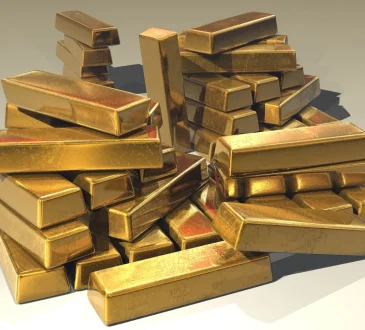


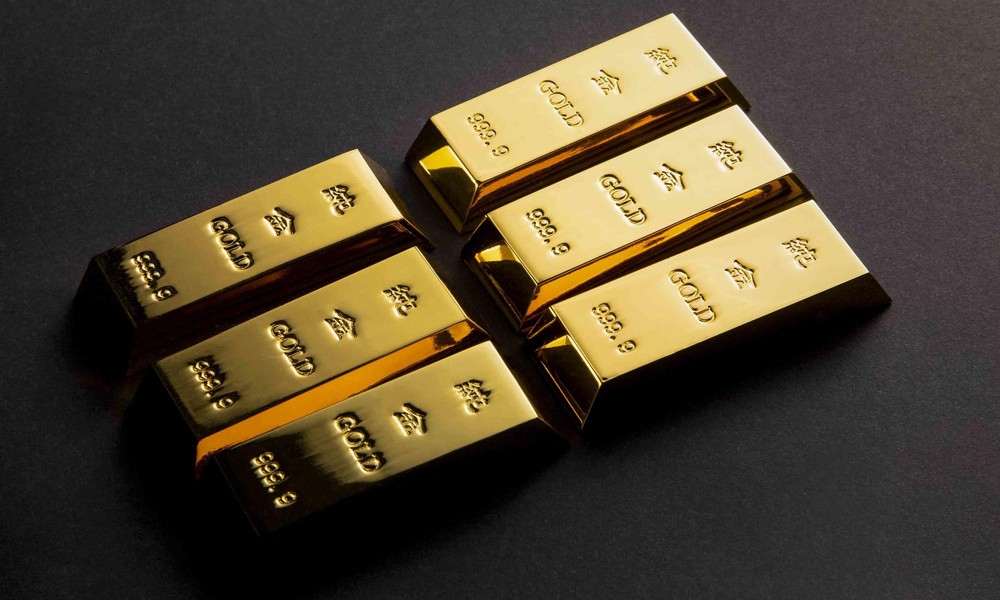
If you’re considering selling bullion, it’s important to understand the process, the market, and how to get the best value for your investment. Bullion-whether gold, silver, or platinum-is more than just a shiny metal; it’s a financial asset that can fluctuate in value daily. Before rushing into a sale, there are key factors to consider that can make a big difference in your returns.
Understanding Bullion and Its Value
Bullion refers to precious metals in bulk form, usually bars or coins, valued primarily for their metal content rather than face value. Unlike collectible coins or jewelry, bullion is traded based on weight and purity. The market price of gold, for example, is determined globally, often influenced by economic events, inflation, and demand for safe-haven assets.
Before you sell bullion, it’s essential to know its purity and weight. Bullion typically comes in 24-carat gold or .999 fine silver, but there are variations. Having accurate documentation and certification can make the selling process smoother and ensure you receive the right price. Certified bullion often sells faster and at a premium compared to uncertified pieces.
Choosing Where to Sell
There are multiple avenues for selling bullion, each with its pros and cons. Local dealers, online platforms, and auction houses all offer different levels of convenience, transparency, and payout. Local dealers provide instant cash, but online platforms may offer better prices if you’re willing to wait for the transaction to complete.
It’s wise to research the reputation of the buyer. Look for accredited dealers or members of recognized industry associations. Customer reviews and ratings can give insight into a buyer’s reliability and fairness. Avoid dealing with unknown buyers or platforms that lack clear terms-your bullion is too valuable to risk.
Timing the Sale
The bullion market is volatile, and prices can change daily. Monitoring market trends and economic indicators can help you choose the right time to sell bullion. While some sellers need quick cash and may accept lower offers, those who can wait for favorable market conditions often secure better returns.
It’s also important to understand fees and commissions. Dealers may charge a percentage of the sale or a flat fee, which can eat into your profits. Clarify all costs upfront so there are no surprises.
Security and Documentation
Selling bullion requires careful handling and documentation. Keep your purchase receipts, certificates of authenticity, and any other relevant paperwork ready. If shipping bullion to an online buyer, ensure you use insured and traceable delivery methods. Personal safety is equally important when selling in person-choose secure locations and consider bringing someone with you.
Key Takeaways
Selling bullion can be a rewarding way to liquidate your investment-but only if done thoughtfully. Know your metal’s purity, research buyers, monitor market trends, and safeguard your assets. By taking these steps, you increase your chances of a smooth sale and fair value for your precious metals.
Whether you’re selling bullion for the first time or refining your strategy, understanding the process makes all the difference.