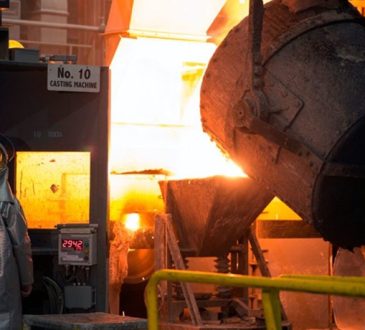



MRO, the cornerstone of heavy industry, is indispensable for sectors reliant on heavy machinery and infrastructure. Businesses of all types — aviation, manufacturing, energy — require routine maintenance and on-time replacement of parts to function properly.
Proper MRO supply chain means less downtime, more productivity, and a more competitive plant. But many organizations take it for granted. Unlike raw material or assembled products, MRO supplies are an indirect yet crucial part. Mismanagement can lead to expensive disruption here too.
MRO Supply Chain Challenges
MRO requirements aren’t as straightforward as they appear. Common challenges for companies include:
- High Inventory Costs: Unsold inventory ties up precious capital.
- Vendor Management Issues: Dealing with the suppliers’ syndicate and its complexity.
- Unscheduled Downtime: Spares delays bring work to a standstill and extra cost.
- Mistakes: Lack of tracking results in repeated orders and procurement shortages.
These obstacles underscore why companies need to approach the MRO supply chain strategically.
Why Optimizing MRO Matters
There are obvious bottom-line benefits to streamlining MRO processes. Businesses gain:
- Cost of Savings: Cost reduction is attained through global sourcing processing and by bargaining power improvements.
- Operational Uptime: Having the right parts available reduces costly downtime.
- Compliance Assurance: For regulated industries such as the healthcare or aviation sectors, maintenance being carried out at the correct intervals is essential to ensuring safety protocol.
- A lot of data intelligence: Smart tracking, and monitoring of your purchase.
A sustainable MRO supply chain is more than the money it saves — it provides resilience and long-term sustainability.
Technology’s Role in MRO Management
Digital tools are shaking up MRO. Leading technologies include:
- Predictive Analytics AI and IoT sensors predict the equipment failing.
- Cloud Procurement — one source of the truth for suppliers.
- You will also really want to have automation tools to eliminate human error and speed things up.
- Blockchain in logistics enhances transparency and security in transactions.
These advancements make it possible for businesses to minimize risk, increase efficiency, and out compete their rivals.
Building a Future-Ready MRO Strategy
When it comes to any industry that is focused on thriving, it is no longer a matter of if MRO supply chain optimization should be done, it is a necessity. A strong strategy should include:
- Supplier consolidation for better control.
- Investment in digital platforms.
- Real time inventory and essential data tracking.
- Maintenance that is proactive, not reactive.
When MRO is turned from a back-end operation to a real business strategy, organizations unlock dramatic improvements in productivity, cost savings, and operational performance.
Conclusion
It’s the covert workhorse behind the scenes that keeps industries moving. Under strategic management of it, it means that the system downtime is minimized and it costs less downtime and also resilient. By utilizing tech and future-looking strategies, businesses change MRO from an overhead to a competitive advantage-getting quick gains and creating a foundation to keep winning. Taking a proactive approach means that a business doesn’t only respond to malfunctions but anticipates needs before they have arisen. It also supports smoother and more dependable procurement processes, by ensuring better cooperation with suppliers. Simply put, companies that invest in their MRO supply chain are in a better position to respond to increasing demands and a rapidly changing industrial market.