

What preparation stages exist?
Hemp cultivation spans a wide range of approaches depending on the cannabinoid targeted, and THCA-specific cultivation is among the most demanding. Seed selection to shelf placement decides what reaches shelves. Gaps at any stage compound quietly into visible quality differences by the time a product is packaged. best thca flower available through retail carries the mark of accumulated discipline across that entire chain, not a single inspection point applied near the finish.
Cultivars of THCA are grown with much greater attention to canopy temperature, humidity, and light cycles than hemp produced in general. In practical terms, trichome development sets the potency ceiling because active content builds there over the whole grow cycle. Readiness for harvest gets determined by observing trichome colour progression rather than following fixed dates on a calendar. That shift from clear to cloudy to amber opens briefly, and missing it in either direction reduces output in ways no downstream stage can fix.
How does harvesting shape quality?
Once plants are cut, they enter their most chemically sensitive period. Heat, moisture, and light exposure in those first hours begin breaking down active content well before curing starts. Spacing during hanging, airflow in drying areas, and transfer speed from field to facility each carry real weight here, comparable in consequence to decisions made much earlier in cultivation.
- Plants that hang too closely trap moisture and favour mould development.
- Poor airflow dries batches unevenly, producing inconsistent moisture levels across the yield.
- Light exposure after cutting accelerates unwanted conversion of active content.
- Slow transfer without temperature control starts degrading terpene profiles before drying even begins.
Drying and curing process
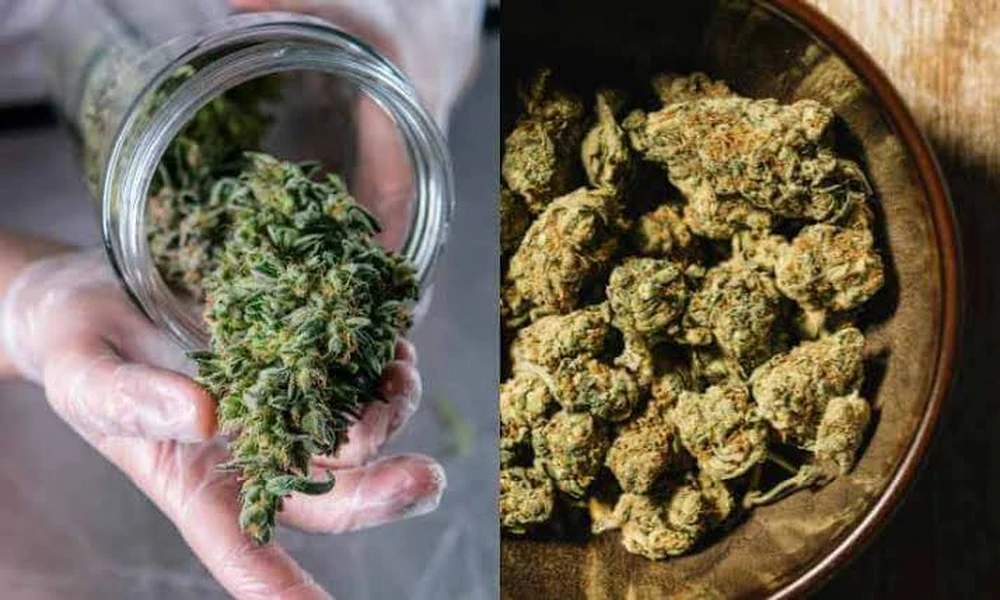
- Drying works best when moisture leaves gradually, and temperatures stay controlled. Higher heat during this stage pushes premature conversion and strips aromatic profiles, two outcomes that show clearly in finished product quality. Facilities where airflow and humidity are actively monitored throughout produce noticeably more consistent results than operations relying on ambient conditions.
- Curing picks up where drying finishes. Moisture gets brought into an accepted range through managed burping cycles inside sealed storage. Chlorophyll breakdown during curing refines the overall profile, and terpene retention holds considerably better in material that has been given adequate time. Shortened timelines cut into that refinement regardless of how carefully earlier stages were managed. Some cultivars need longer curing windows than others, but no abbreviation substitutes for what a properly completed cure accomplishes.
Packaging and retail readiness
How a finished product gets packaged determines whether the quality built across earlier stages actually survives to the shelf. Light-blocking, airtight materials prevent degradation from oxygen and UV exposure during storage. Humidity control inside packaging keeps moisture levels stable through transit, a phase where shifting temperatures can quietly erode terpene retention before a product is ever opened.
Third-party testing sits between production completion and retail release for credible operations.
- Certificates of analysis verify potency figures independently before any batch moves forward.
- Contaminant screening covers pesticides, heavy metals, and microbial presence without depending on producer-supplied data.
- Labelling reflects figures from verified testing rather than projected values from earlier in production.
- Batch documentation allows specific production runs to be traced and reviewed after release if needed.
Each phase of preparation builds on or undermines the previous one. THCA output worth putting forward at retail is determined by consistent decisions in cultivation, harvest, drying, curing, and packaging, each stage receiving the attention it requires rather than the minimum it can get away with.

Hemant Kumar is a project manager at Tridindia with more than nine years of commendable experience in writing about LMS, translation, and IT. His unmatched talent and passion for digital marketing gave him the opportunity to work as a multi-tasking project manager at TridIndia’s sister company, Link Building Corp. Today, he contributes to the world by imparting knowledge on SEO, link building and internet marketing etc., that helps business owners grow their online business.