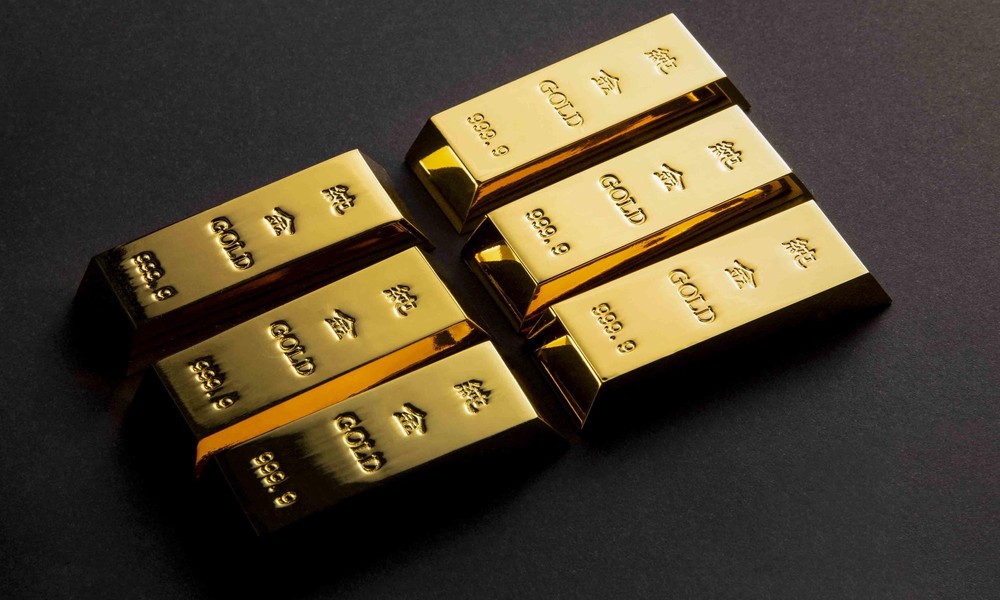


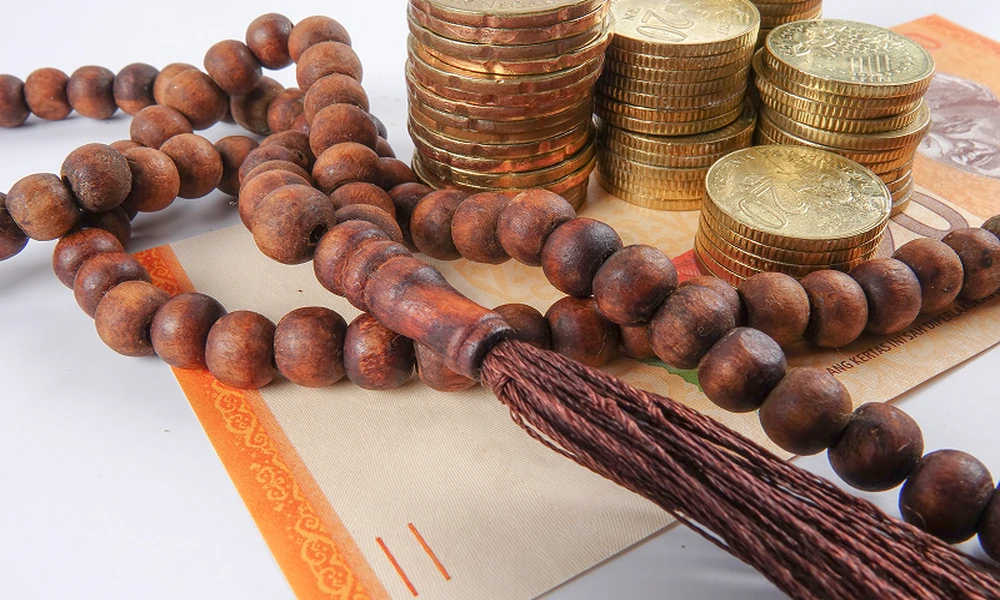
Image Recommendation: A calculator, prayer beads, and a small stack of coins or gold on a table, calm and respectful composition.
Zakat isn’t owed just because a year has passed. It’s owed once personal wealth crosses a specific threshold called nisab, currently pegged to the value of 85 grams of gold. Below that line, no zakat is due at all, however long the money has been sitting there.
What Happens Inside a Zakat Calculator
A zakat calculator is doing three things at once, even though it looks like a single form. First, it totals up everything zakatable a person holds. Second, it checks that total against the current nisab threshold, which moves with the gold price and needs checking close to the due date rather than assumed from memory. Third, if the total clears nisab, it applies the 2.5% rate to the whole amount, not just the portion above the threshold.
The Assets Most People Forget to Count
- Cash held at home and in bank accounts, in any currency
- Gold, silver, and other precious metals, whether worn or stored
- Business inventory and trade goods held for resale
- Retirement, pension, or education savings accounts
- Money owed to you that’s expected to be repaid by the due date
- Real estate held for investment or resale, rather than lived in
Which Debts Can Be Subtracted First
Before applying the 2.5% rate, necessary debts due by or shortly after the zakat date can be subtracted from the total. The word necessary matters here; a mortgage or a student loan being paid off gradually generally doesn’t qualify, since the full balance isn’t actually due at that point. A bill that has to be settled in full around the due date does qualify, which is why the calculation isn’t simply total wealth times 2.5%; it’s total wealth minus what’s genuinely owed right now, times 2.5%.
A credit card balance due in full at the next statement is a useful example of the kind of debt that does count, while a car loan with years left on it generally doesn’t, even though both feel like real financial obligations day to day. The test is always the same: would this specific amount have to be paid off around the zakat due date, not whether it’s a debt in the broader sense.
Why the Lunar Year Changes the Due Date Every Time
Zakat on personal and business wealth becomes due after one full Islamic lunar year has passed since that wealth first reached nisab, not the Gregorian calendar year most people default to for everything else. That’s part of why a zakat donation date tends to shift earlier each Gregorian year; the lunar calendar runs roughly eleven days shorter. Agricultural produce follows a different rule entirely, paid at harvest rather than on a yearly cycle, but for most individuals calculating personal zakat, the lunar hawl is the clock that actually matters.
When Personal and Business Wealth Get Combined
Not everyone’s personal savings clear nisab on their own, and the same goes for a small business’s assets. When that happens, the two totals get combined rather than assessed separately, and zakat becomes due on the combined sum if it crosses the threshold even though neither half would have on its own.
This trips people up more often than the rest of the calculation combined, because it’s easy to check a bank balance against nisab and stop there without factoring in a side business’s stock or receivables sitting elsewhere. A proper calculation treats all of it as one pool, not several separate, smaller checks.
| Scenario | Clears nisab alone? | Zakat due? |
| Personal savings only | No | Not on its own |
| Business assets only | No | Not on its own |
| Both combined | Yes | Yes, on the full combined sum |
What a Zakat Donation Funds Once It’s Given
Zakat differs from a general charitable gift in that it’s owed to specific categories of recipients defined within Islamic tradition, broadly the poor, the needy, and several other defined groups, rather than whatever cause a donor happens to feel strongly about that year. A registered organisation collecting zakat is expected to direct it accordingly, which is worth asking about directly if it isn’t already clear from how a donation page describes where the money goes.
That distinction is also why zakat and a general sadaqah donation aren’t interchangeable, even though both count as giving in a broad sense. Sadaqah can go toward almost any good cause a donor chooses, while zakat stays tied to those defined categories of recipients regardless of what else a donor might also want to support.
The One-Line Zakat Check
- Add up cash, gold, business assets, and anything else zakatable
- Subtract only the debts genuinely due around this date
- Compare the result to the current nisab value in gold
- If it clears nisab, the amount owed is 2.5% of the total, not just the excess
None of these steps requires specialist knowledge to get right, but they do require sitting down with actual numbers rather than guessing from memory, especially since the nisab figure itself shifts with the gold price and isn’t the same every year.
Getting the nisab figure wrong by even a little changes whether zakat is owed at all this year, so it’s worth double-checking rather than estimating. Contact Global Ehsan Relief if a specific situation doesn’t fit neatly into the usual calculation.