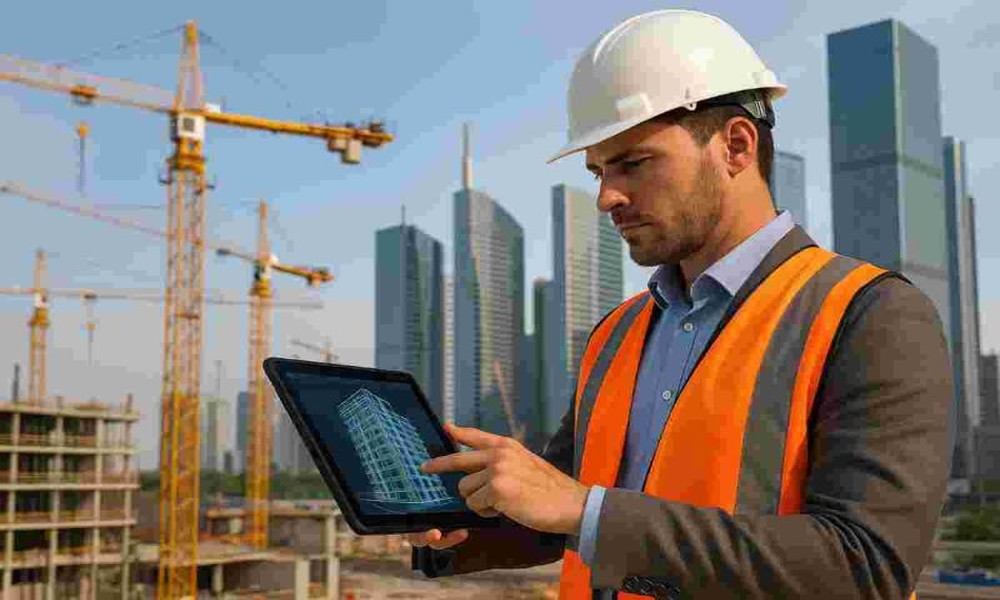


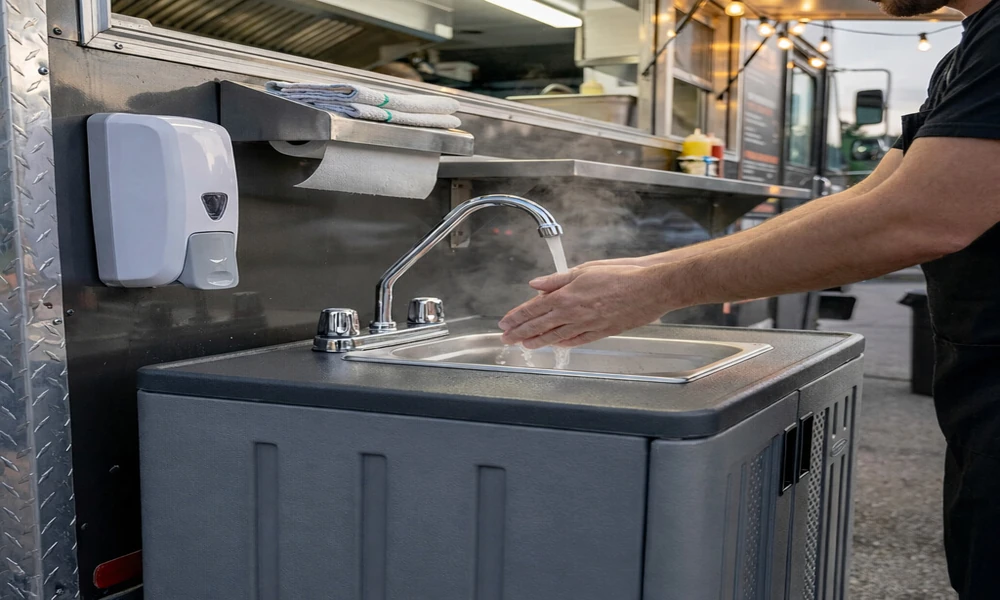
Clean hands shape safer workplaces long before permanent facilities arrive. Outdoor crews rely on portable sanitation where plumbing remains unavailable. Construction zones, utility projects, agricultural fields, and public events share this challenge daily. Reliable washing stations reduce contamination before workers handle equipment or meals. Project managers now compare practical hygiene options to learn more about lasting workplace improvements.
How do handwashing stations strengthen site hygiene?
Remote locations expose crews to dust, grease, soil, concrete residue, and chemicals. Washing facilities placed nearby remove barriers between workers and proper hygiene. Fresh water and soap remain available throughout each shift. Even small projects benefit because accessible sanitation encourages healthier habits across changing work environments.
Practical features delivering measurable workplace value
Equipment design now reflects everyday site conditions instead of fixed buildings. Durable materials withstand weather while compact frames simplify relocation across expanding projects. Site supervisors often select models using these practical considerations:
- Freshwater storage lasting longer shifts.
- Foot-operated controls reducing direct contact.
- Wastewater tanks preventing ground contamination.
- Durable wheels handling uneven terrain.
- Soap dispensers requiring simple refilling procedures.
Each feature serves daily operations rather than unnecessary extras. Better placement keeps travel distances short, allowing crews to resume tasks without wasting productive time.
Why are businesses investing beyond compliance requirements?
Health regulations influence purchasing decisions, yet operational value drives continued adoption. Fewer hygiene interruptions protect schedules while encouraging stronger workplace discipline. A highway resurfacing contractor, for example, relocates stations whenever paving sections change. Maintenance teams can learn more through equipment comparisons before selecting suitable tank capacity, mobility, and servicing requirements.
Additional advantages include:
- Reduced cleaning interruptions.
- Faster break-time handwashing.
- Improved visitor impressions.
- Flexible placement across temporary locations.
Those practical outcomes create steady value throughout lengthy outdoor projects. Healthy crews often maintain stronger attendance during demanding construction schedules.
Choosing equipment matching different outdoor environments
Every project presents unique sanitation requirements because working conditions rarely remain identical. Agricultural operations often require lightweight units moving between fields during harvesting activities. Large infrastructure developments benefit from higher-capacity models serving larger workforces across extended shifts.
Selection depends upon several practical factors:
- Workforce size during peak activity.
- Expected water consumption.
- Transportation requirements between locations.
- Available servicing schedules.
Careful planning reduces unnecessary maintenance while extending equipment reliability. Suitable capacity prevents frequent refilling without creating excessive transportation weight.
Everyday hygiene shapes stronger project performance
Portable handwashing stations influence more than cleanliness across temporary workplaces. Nearby facilities encourage regular washing before meals, after equipment handling, and following material preparation. Those simple routines reduce avoidable contamination while reinforcing professional workplace standards. Reliable sanitation gradually becomes part of project planning instead of an overlooked site requirement.
FAQs
What industries benefit most from portable handwashing stations?
Construction, agriculture, landscaping, utilities, emergency response, and outdoor events benefit because permanent plumbing often remains unavailable.
Do portable handwashing stations require plumbing connections?
No. Self-contained water tanks and wastewater storage allow independent operation across remote locations.
Which features deserve priority during selection?
Tank capacity, mobility, durable construction, touch-free operation, and servicing convenience deserve careful consideration.
Can portable stations improve project efficiency?
Yes. Nearby facilities reduce unnecessary walking while encouraging regular hygiene during busy workdays.
Long-Term Value Extends Beyond Temporary Projects
Portable sanitation earns value through daily performance rather than regulatory checklists alone. A foot-operated station positioned beside an active highway resurfacing crew saves repeated trips across restricted work areas. Small operational decisions like placement, capacity, and mobility influence workforce health more than expensive permanent infrastructure during temporary outdoor projects.