

Texas produces some of the most diverse and flavorful honey in the entire country. The wide range of wildflowers, native plants, and warm weather across the state gives local honey a depth that store-bought options simply cannot match. Shoppers grab the first jar they see without checking key details that affect quality, purity, and taste.
A little knowledge goes a long way when it comes to choosing honey that truly delivers on flavor and health value. Buyers who want details on types, sources, and seasonal options can read more about Texas honey to learn more about local varieties. This article covers the most important things to check before making a purchase.
Source and Bee Farm Details
Honey source affects taste, color, and quality, so farm location matters a lot. Local bee farms in Texas collect nectar from nearby flowers, which creates unique flavor profiles. A trusted farm shares clear harvest details and floral source information. Short travel distance from farm to store helps keep honey fresh. Clean packaging and proper sealing also show careful production and storage standards.
Raw Honey and Process Check
Texas raw honey keeps natural enzymes, pollen, and flavor because the heat stays low during the process. Processed honey goes through high heat and fine filters, which change the taste and texture. A label that states raw or unfiltered helps confirm quality. Clear product details also show careful handling from hive to jar.
Color and Taste Guide
Color and taste help identify the floral source and harvest season. Light honey usually has a mild and smooth taste, while dark honey has a bold and rich taste. These signs help buyers understand honey types before a purchase.
- Light honey comes from clover or wildflowers and has a soft sweetness.
- Amber honey has a balanced flavor and works well for tea and toast.
- Dark honey has strong flavor notes and suits baking and cooking recipes.
Season and Honey Variety
Season affects nectar flow, which changes honey taste and color each year. Spring honey tastes light and floral, while late-season honey tastes bold and deep. Seasonal jars give a chance to try different flavors from the same region.
- Spring harvest honey usually has a light color and soft aroma.
- Summer harvest honey shows a rich color and full taste.
- Fall harvest honey has a darker shade and a strong flavor.
Label and Purity Signs
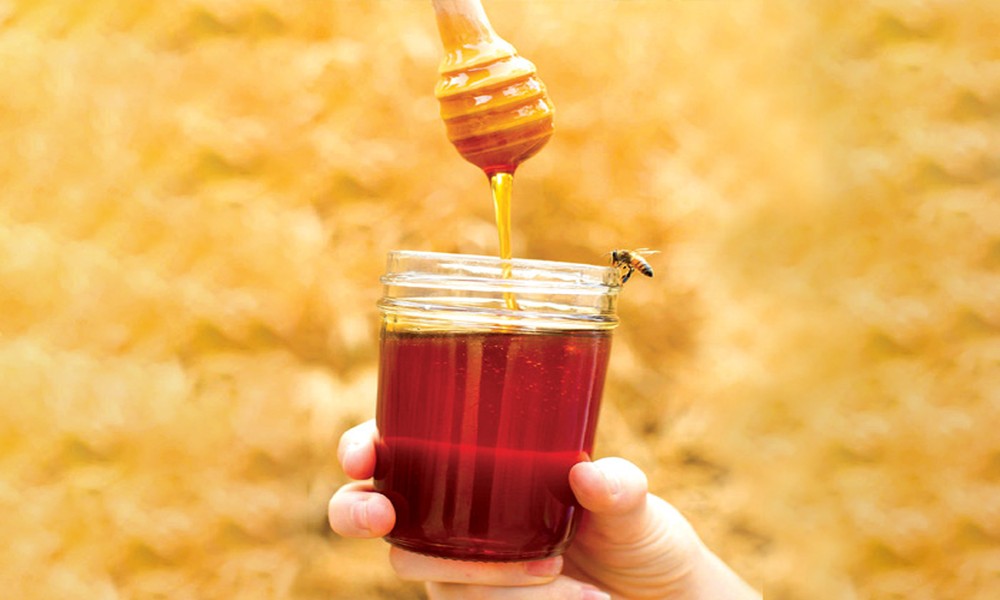
A good label lists raw, unfiltered, or pure honey without extra sugar or syrup. Simple ingredient lists help confirm purity and quality. A local farm in Texas name and harvest date add more trust. Thick texture and natural aroma also show good purity. Clear jars help buyers check color and texture before a purchase.
Crystals, Storage, and Shelf Life
Crystals form in real honey due to natural sugar content and low moisture level. This change shows purity and natural structure. Warm water can return crystals to liquid form without damage. Glass jars with tight lids help protect flavor and texture. A cool and dry place helps honey stay fresh for a long time.
A good honey choice depends on label details, color, source, and season. Each jar tells a story about flowers, weather, and harvest time. Careful label reading and texture check help buyers in Texas pick pure honey with confidence. A smart step includes a quick review of farm details before purchase, which helps ensure better quality and true natural flavor in every jar.