

What biomedical researchers document after applying retatrutide in obesity studies?

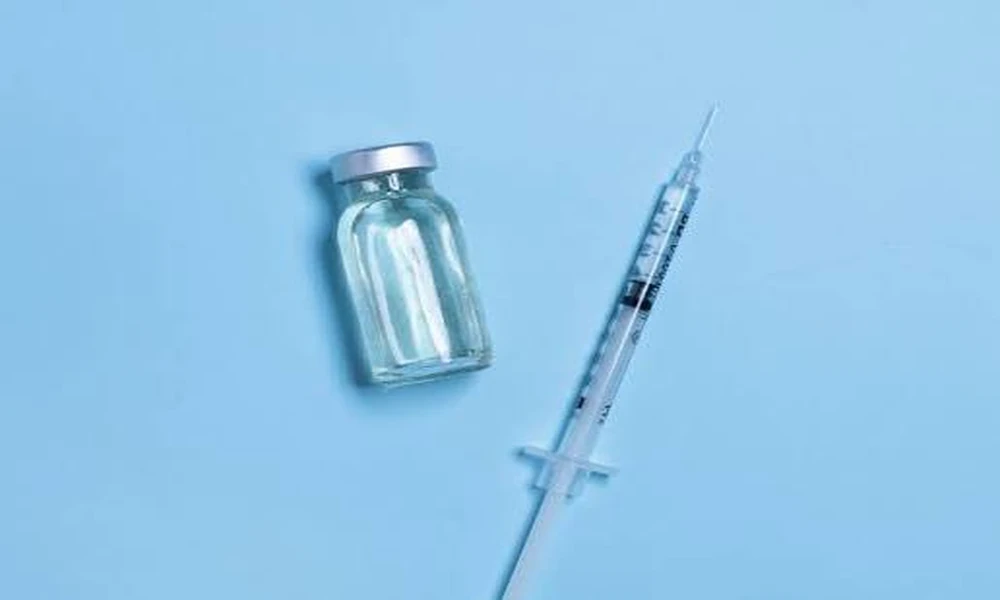

Biomedical researchers document four record types after applying retatrutide in obesity studies, covering the application itself, the measured responses, the batch behind the work, and the conditions the study ran under. Documentation happens in two phases, with some records written while observation continues and the rest completed after the window closes. Teams that buy retatrutide for structured obesity research treat this documentation as part of the study design rather than an afterthought, since the records are what let the findings be reviewed, replicated, and extended. The sections below cover the documentation as researchers produce it, the record types the files hold, and where the completed records go once the study moves on.
Researchers document after
Researchers document in real time while the observation window runs. Application records go down as each administration happens, with concentration, timing, and route entered against the protocol, and interim response readings join them at each scheduled measurement point, so the live file grows alongside the study rather than being reconstructed later. Documentation shifts to completion once the window closes. Final response data gets entered and checked against the interim records, deviations from protocol are written up with their circumstances, and the batch documentation is cross-referenced against every application entry, closing the file as a complete account.
Applied study documentation
- Application records – Applied documentation starts here, holding every administration with its concentration, timing, and route, the study’s account of exactly what subjects received and when.
- Response measurements – Applied documentation continues with the metabolic and physiological readings taken through the study, from baseline through each scheduled point, carrying the findings to the eventual paper reports.
- Batch records – Applied documentation ties the work to its material, holding the lot number, certificate reference, and preparation records for every vial the study drew from.
- Condition records – Applied documentation preserves the environment, covering protocols followed, deviations logged, and the settings under which every measurement was taken.
Obesity research records
Obesity research records move into the programme’s archive, filed by study and cross-referenced by batch, where they sit beside the sourcing documentation the material arrived with. The important properties of the archived set come down to these. Records archived this way keep serving long after the study ends, and most programmes reopen them when new work builds on the old.
- The full chain from order to finding sits in one traceable line.
- Reviewers, replication teams, and later studies all read from the same file.
- Every claim in the published findings traces to a record someone else can check.
Biomedical researchers document application, response, batch, and condition records after applying retatrutide in obesity studies, writing part in real time and completing the rest when observation ends. The four types together turn a finished study into a permanent account, one that answers reviewers with evidence and hands the next study a foundation it can cite line by line. Documentation discipline of this kind costs a fraction of the study’s effort and returns the whole value of the work, since findings that cannot be traced cannot be trusted.
